Healthcare in Siem Reap: Hospitals, Pharmacies, and What to Do When You Need a Doctor
Where to go in an emergency, which pharmacy is reliable, and how the over-the-counter system works.
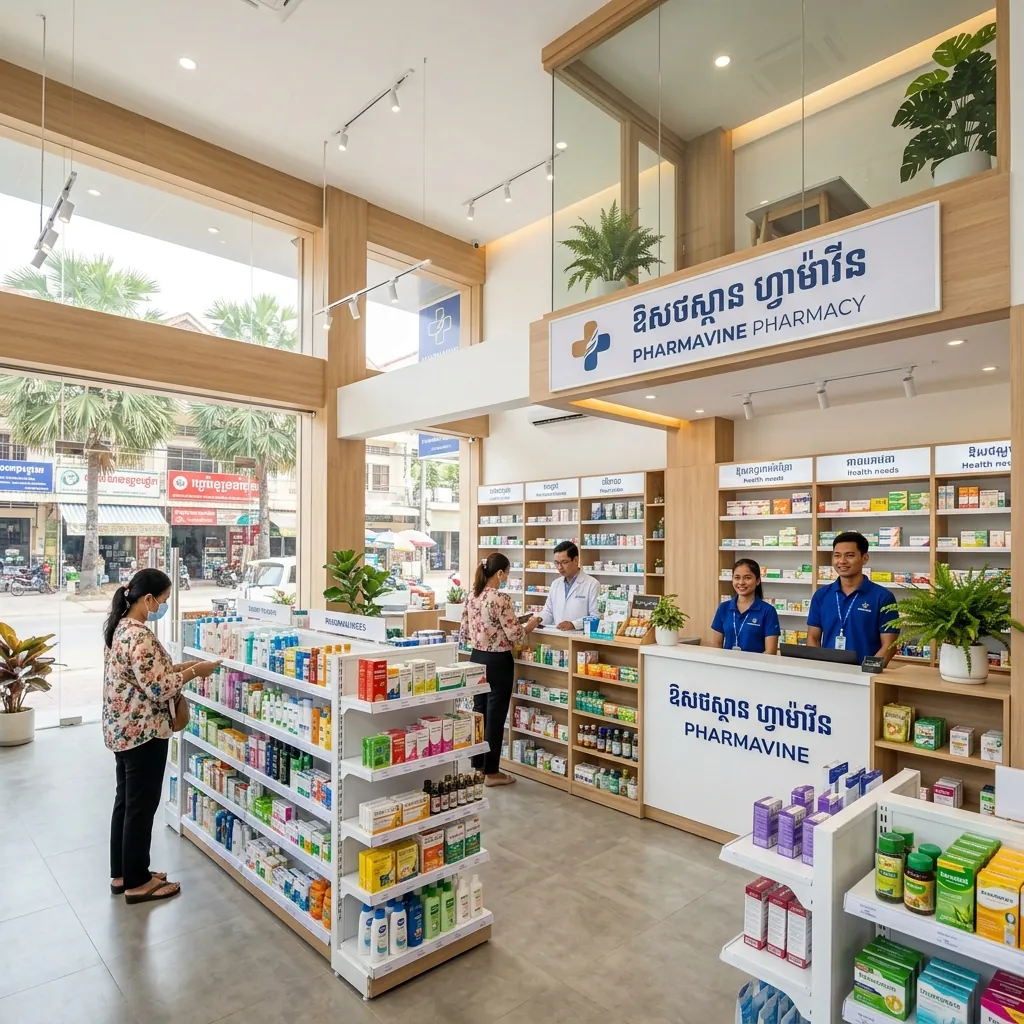
Most travelers visit Siem Reap without ever needing medical care. For the few who do, the city's medical infrastructure ranges from genuinely excellent (the international hospital is part of one of Southeast Asia's largest health networks) to functional-but-basic (smaller clinics handle scrapes and stomach trouble with skill but limited equipment). This guide covers when to use what, what to expect, and how the pharmacy system works.
In a real emergency
Royal Angkor International Hospital is the first call. It is a member of the BDMS Group, the same network that runs Bangkok Hospital, with 24-hour emergency service, an ambulance, evacuation arrangements, and an international-standard pharmacy on site.
- General phone: +855 63 763 888
- Emergency line: +855 12 235 888
- Location: National Road 6, on the road to the airport, about 3 km west of the city center
- Website: royalangkorhospital.com
For anything that needs urgent intervention (chest pain, head injury, severe bleeding, anaphylaxis, suspected stroke or heart attack), go directly there. The hospital accepts walk-ins and the emergency department speaks English.
For very serious cases (complex trauma, major surgery, intensive care for more than 48 hours), the standard route is medical evacuation to Bangkok. Travel insurance with evacuation cover is essential. Royal Angkor International coordinates evacuations directly.
The other Siem Reap hospitals
- Sonja Kill Memorial Hospital: a respected non-profit hospital with strong pediatric care. Good for children and for non-urgent issues if cost is a concern. Located south of the city.
- Siem Reap Provincial Hospital: the public hospital. Significantly cheaper than the private options but English support is limited and waits can be long. Most travelers do not use it.
- Naga Clinic: a smaller private clinic with English-speaking staff and reasonable prices for non-emergency visits. Located in the city.
- U-Care Pharmacy clinics: a chain of pharmacies (covered below) that also operate small consultation rooms for minor issues.
Pharmacies and over-the-counter medicine
Cambodia's pharmacy system is notably more relaxed than in many Western countries. A wide range of medicines that require a prescription elsewhere can be bought over the counter, including most antibiotics, common painkillers, and antihistamines. This is a real convenience for travelers but it is also a risk: dispensers vary in their training, packaging is sometimes loose, and quality control on imported drugs is uneven.
For most travelers, sticking to a few trusted pharmacies removes most of the risk.
Where to go
- U-Care Pharmacy: the most reliable chain. Branches just off Pub Street and inside Lucky Mall on Sivutha Boulevard. English-speaking staff, properly licensed, supplies most Western over-the-counter drugs and many prescription-only ones. This should be your default.
- Aphivat Pharmacy: a local chain with multiple branches. Cheaper than U-Care for the same products, slightly more variable English.
- Pharmacie de la Gare: a French-Cambodian pharmacy on the riverside with multilingual staff.
- Hospital pharmacies: Royal Angkor International's pharmacy is the safest source for anything that matters. Slightly more expensive but the supply chain is reliable.
What is available without a prescription
This is not a complete list and the rules can change, but typically you can buy without a prescription:
- Pain relief: paracetamol (acetaminophen), ibuprofen, aspirin, codeine combinations
- Stomach issues: oral rehydration salts, anti-diarrheal medication (loperamide), antacids, ondansetron (anti-nausea)
- Antibiotics: a broad range including amoxicillin, ciprofloxacin, azithromycin. Treat with respect. Antibiotic overuse is contributing to resistance. Use only when a doctor has confirmed bacterial infection.
- Antihistamines and allergy medication: loratadine, cetirizine, diphenhydramine
- Birth control pills: most common brands available
- Asthma inhalers: salbutamol and others
- Anti-malarial medication: doxycycline and atovaquone-proguanil are stocked (though malaria risk in Siem Reap city itself is very low)
What is harder to find:
- Brand-name patent medications from specific Western markets (generics are usually available, but the exact product might not be)
- Controlled substances like strong opioids or psychiatric medications: possible at hospital pharmacies with a doctor's note
- Veterinary medications for traveling pets: limited supply
Pricing
Pharmacy prices are typically 30 to 70 percent below U.S. or Western European retail. A box of paracetamol that costs $8 in a North American pharmacy might cost $1.50 in Siem Reap. A course of antibiotics that costs $40 to $100 elsewhere might cost $5 to $15 here. This combined with relaxed dispensing rules is why some travelers use Cambodia as a stocking-up stop.
What to do for common travel issues
Stomach trouble (the most common complaint)
Siem Reap's water and food are generally safe in tourist restaurants but mild stomach upset still affects a significant fraction of visitors. The standard response:
- Day 1: oral rehydration salts (sold at any pharmacy for less than $1), bland food (plain rice, bananas, dry toast), no alcohol.
- Day 2: if symptoms continue, loperamide (anti-diarrheal) and a single dose of azithromycin (a 500mg pill, sold over the counter for around $2). This typically resolves bacterial gastroenteritis within 24 hours.
- Day 3 onward: if symptoms persist beyond 48 hours, or if there is blood, severe pain, or fever, see a doctor at Royal Angkor International or Naga Clinic.
Sunburn, heat exhaustion
Pharmacies sell aloe gel, after-sun cream, and electrolyte tablets. Drink water aggressively. If you feel dizzy or nauseous in the heat, sit in air conditioning for an hour. Heat stroke is rare in tourists who take basic precautions.
Cuts and scrapes (often from temple stones or scooter falls)
Wash thoroughly with bottled water. Apply antiseptic from a pharmacy. Keep covered. The risk is infection, not the wound itself. If a wound shows redness spreading from it, fever, or pus within 48 hours, see a doctor.
Insect bites
Common, mostly mosquitoes. Apply hydrocortisone cream from any pharmacy for itch. Dengue fever is the main mosquito-borne disease to know about (no specific treatment, mostly rest and hydration; severe cases need hospitalization). If you develop high fever, severe headache, and a rash three to seven days after a bite, see a doctor for a dengue test.
Animal bites
Particularly free-roaming dog bites. Wash with soap and water for 15 minutes immediately. Go to Royal Angkor International same-day for a rabies risk assessment. Cambodia is a high-risk country for rabies and post-exposure prophylaxis is essential.
Travel insurance
Travel insurance with medical evacuation cover is essential. A motorcycle accident on a Cambodian road can mean a $20,000 to $80,000 medical bill if you need air evacuation to Bangkok. Insurance for a 2-week trip costs $30 to $80. There is no good reason to travel without it.
Recommended providers commonly used in Cambodia: World Nomads, SafetyWing, AXA, IMG. Most credit cards offer some travel coverage but the evacuation limits are usually too low.
Vaccinations to consider before arrival
Cambodia's standard recommendations from the CDC and WHO:
- Hepatitis A: recommended for all travelers
- Typhoid: recommended, especially if eating outside hotel restaurants
- Tetanus: keep your booster current
- Rabies: pre-exposure vaccine recommended for travelers spending more than a month or visiting rural areas
- Japanese encephalitis: recommended for long stays in rural areas during monsoon season
- COVID-19 and flu: keep current
- Routine childhood vaccines: measles, mumps, rubella, polio should be up to date
Yellow fever vaccine is not required unless arriving from a country with yellow fever risk.
Quick reference card
Print or screenshot this for your phone:
| Situation | Where to go |
|---|---|
| Real emergency, accident, severe symptom | Royal Angkor International Hospital, +855 12 235 888 |
| Non-urgent illness, English-speaking doctor | Royal Angkor outpatient or Naga Clinic |
| Stomach upset, minor issue | U-Care Pharmacy (Pub Street or Lucky Mall) |
| Pediatric, child care | Sonja Kill Memorial Hospital |
| Need to refill prescription | U-Care Pharmacy (bring the original packaging) |
| Dental emergency | International Dental Clinic, Sivutha Boulevard |
| Mental health crisis | Royal Angkor International, ask for psychiatry consultation |
For most travelers, the entire medical infrastructure of Siem Reap can be summarized in two sentences. The U-Care Pharmacy off Pub Street handles 95 percent of what comes up. Royal Angkor International Hospital handles everything else.