Official Public Holidays in Cambodia 2026: What's Open, What's Closed in Siem Reap
Every one of Cambodia's 22 paid public holidays, with practical advice on bookings, prices, and what to expect on each day.
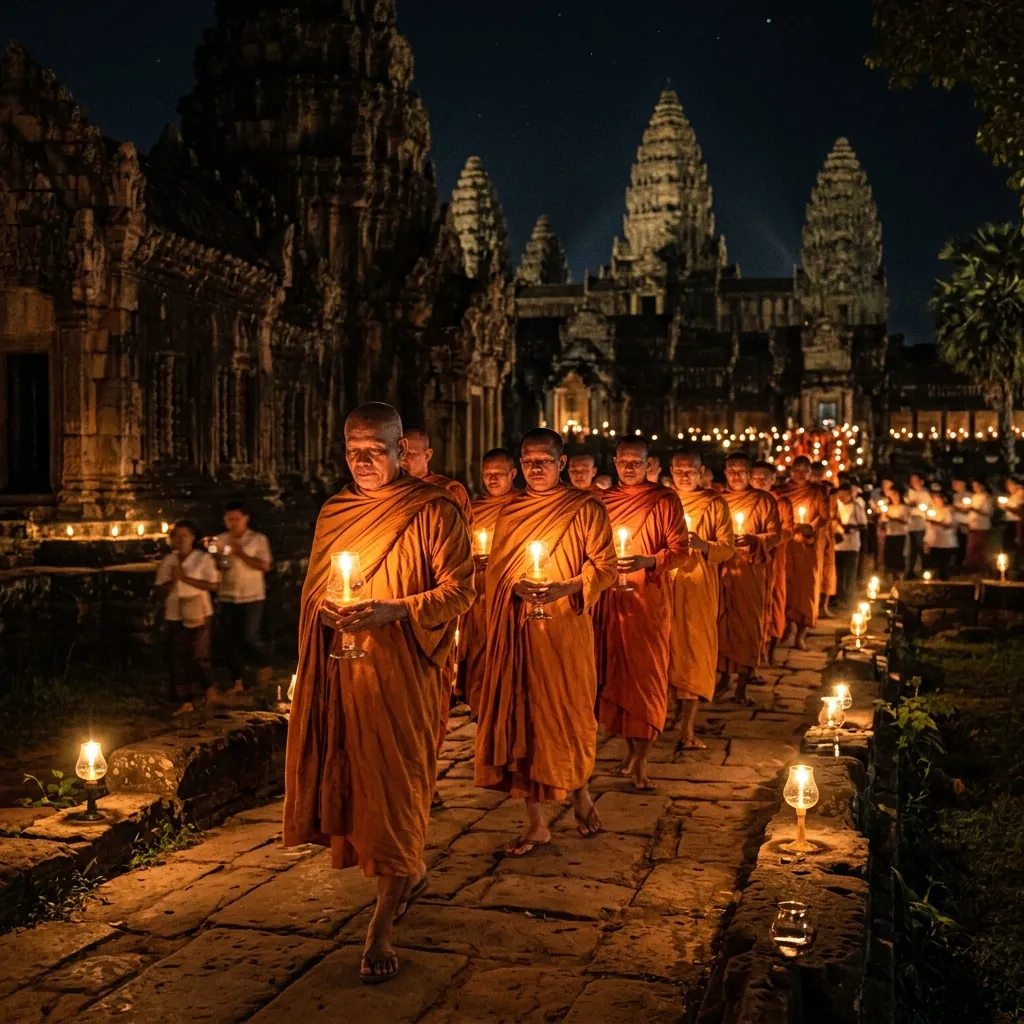
Cambodia observes 22 paid public holidays in 2026, established by Royal Sub-Decree No. 167 (September 18, 2025). For travelers, knowing the calendar matters: government offices, banks, and many businesses close on these days, traffic patterns change, and accommodation in Siem Reap can be fully booked weeks ahead during the major festivals.
This guide lists every official 2026 holiday with its date, type, what closes, and the practical impact on Siem Reap.
The 2026 Calendar
| Date | Holiday | Type | What Closes |
|---|---|---|---|
| Thursday, January 1 | International New Year's Day | National | Banks, government offices |
| Wednesday, January 7 | Victory over Genocide Day | National | Banks, government offices |
| Sunday, March 8 | International Women's Day | National | Most banks, government offices |
| Monday–Wednesday, February 2 (est.) | Meak Bochea Day | Religious / Buddhist | Banks, government offices |
| Tuesday–Thursday, April 14–16 | Khmer New Year (Chaul Chnam Thmey) | National / Religious | Banks, government offices, many restaurants and shops |
| Friday, May 1 | International Labor Day | National | Banks, government offices |
| Tuesday, May 5 | Royal Plowing Ceremony | National / Cultural | Government offices |
| Wednesday–Friday, May 13–15 | King Norodom Sihamoni's Birthday | National | Banks, government offices |
| Friday, May 22 (est.) | Visak Bochea Day | Religious / Buddhist | Banks, government offices |
| Thursday, June 18 | Queen Mother's Birthday | National | Banks, government offices |
| Thursday, September 24 | Constitutional Day | National | Banks, government offices |
| Saturday–Monday, October 10–12 | Pchum Ben (Ancestors' Day) | Religious / National | Banks, government offices, many restaurants and shops |
| Thursday, October 15 | Commemoration of King Father | National | Banks, government offices |
| Thursday, October 29 | King's Coronation Day | National | Banks, government offices |
| Monday, November 9 | Independence Day | National | Banks, government offices |
| Monday–Wednesday, November 23–25 | Bon Om Touk (Water Festival) | National / Cultural | Banks, government offices, riverside restaurants busy |
| Tuesday, December 29 | Peace Day | National | Banks, government offices |
Dates marked with "(est.)" are governed by the Khmer lunar calendar and may be adjusted closer to the date by official decree.
The Three Festivals That Change Siem Reap
Three holidays transform the city in ways that affect every visitor. Plan around them.
Khmer New Year. April 14–16
The single most important holiday in the Cambodian calendar. Siem Reap becomes the national epicenter through the Angkor Sankranta festival, a multi-day cultural event held across the Angkor Archaeological Park. Streets fill with water fights and talcum-powder blessings. Accommodation books out weeks in advance and prices rise sharply. Domestic travelers fill flights and buses; arrive a day early if you can.
Pchum Ben. October 10–12
A 15-day religious observance culminating in three public-holiday days. The atmosphere is solemn and reflective rather than celebratory. Many city restaurants and shops close as workers travel home to their provinces. Pagodas like Wat Bo and Wat Damnak open before dawn for offerings. A respectful time to witness Cambodian spirituality up close.
Bon Om Touk (Water Festival). November 23–25
A three-day celebration of the reversal of the Tonle Sap River's flow. Smaller in scale in Siem Reap than in Phnom Penh, but the riverside fills with spectators for boat races, illuminated boat processions at night, and fireworks. A great time to be in the city if you want festival energy without overwhelming crowds.
Practical Notes for Travelers
What Stays Open
- Most tourist-oriented restaurants and bars on Pub Street operate normally even on public holidays
- Tuk-tuks, PassApp, and Grab all run
- The Angkor Archaeological Park is open every day of the year, including all holidays
- Convenience stores (mini-marts) remain open
- Most hotels keep full service
What Closes
- All banks and ATMs in bank lobbies (street ATMs continue)
- Government offices and embassies
- Some independent neighborhood restaurants close for family observances
- Money-changers vary
Bookings
For Khmer New Year (April), Pchum Ben (October), and Bon Om Touk (November), book accommodation and any internal flights at least four weeks ahead. Prices typically rise 30–60% during these windows, and the cheapest rooms book out first.
Cultural Etiquette on Religious Days
Meak Bochea, Visak Bochea, and Pchum Ben are quiet, devotional observances. When visiting pagodas during these days:
- Cover shoulders and knees
- Remove shoes before entering temple sanctuaries
- Keep voices low
- Ask before photographing individuals in prayer
- Donations are welcomed but not required
Holiday Pricing
Holiday surcharges are common at high-end restaurants, hotel restaurants, and event venues. Pub Street drinks generally stay the same price. Phare Circus, Apsara dance shows, and similar performances run on normal schedules with occasional special holiday-themed performances.
Long Weekends
When public holidays land mid-week, the Cambodian government sometimes shifts them to create three-day weekends. Watch for these in mid-May, late October, and around Independence Day, where back-to-back observances stack into four- and five-day breaks for domestic workers. These are the busiest times for domestic tourism in Siem Reap.
At a Glance. Best Times to Visit
| Avoid (busiest) | Sweet spot | Quietest |
|---|---|---|
| Khmer New Year (mid-April) | Late November–early December | Mid-April to early May (post–New Year, low season) |
| Bon Om Touk (late November) | Mid-October before Pchum Ben | Mid-June to mid-August (wet season, low rates) |
| Christmas–New Year week | Mid-January after Genocide Day | Pchum Ben week itself (city is quiet) |
The takeaway: if the experience you want is the festival itself, time the visit to it. If you want temples without crowds, target the weeks immediately after the major holidays, when domestic travelers have returned home and international arrivals haven't peaked yet.